Protecting the Littlest Ones: What Parents Need to Know About RSV and Beyfortus
Respiratory Syncytial Virus (RSV) is a common virus that causes infections of the lungs and respiratory tract. Most children are infected with RSV by age 2. While many older, healthy children and adults experience mild symptoms similar to a common cold, RSV can be very dangerous for babies and certain young children.
Understanding RSV in Children
In older children, RSV symptoms typically appear four to six days after exposure and may include a congested or runny nose, dry cough, low-grade fever, sore throat, sneezing, and headache.
However, RSV is known to affect infants (babies 12 months and younger), especially premature infants, most severely. The infection can spread to the lower respiratory tract, leading to serious conditions like pneumonia or bronchiolitis (inflammation of the small airway passages entering the lungs).
Signs of severe infection in infants and young children requiring immediate medical help:
- Short, shallow, and rapid breathing.
- Struggling to breathe (where chest muscles and skin pull inward with each breath).
- Wheezing (a high-pitched noise heard on breathing out).
- Poor feeding, unusual tiredness (lethargy), or irritability.
- A bluish colour of the skin (cyanosis), particularly on the lips and nail beds, due to lack of oxygen.
Children are also at increased risk for severe RSV if they have chronic lung disease or congenital heart disease. The RSV season, when outbreaks usually occur, runs from the fall to the end of spring.
Prevention Focus: Beyfortus (Nirsevimab)
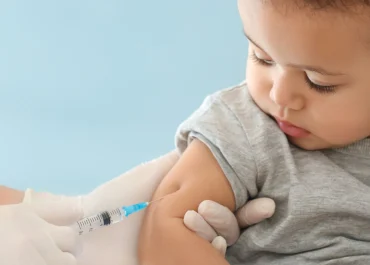
To help prevent young infants from getting severe RSV, an antibody product called nirsevimab (Beyfortus) is available, now at Velocity Multispeciality hospital.
What is Beyfortus? Beyfortus is a single-dose injection containing a long-acting monoclonal antibody. This antibody works as a passive immunizing agent. It blocks the protein that the RSV virus needs to infect the body, thereby neutralizing the virus and preventing it from infecting human cells.
A single dose of Beyfortus is designed to provide protection against RSV disease for at least 5 months, corresponding to a typical RSV season.
Who should receive Beyfortus?
Infants in their First RSV Season:
- It is recommended for neonates and infants entering their first RSV season.
- For infants born during the RSV season, it should be administered from birth, or ideally prior to the season if born outside the season.
Vulnerable Children in their Second RSV Season (Up to 24 months):
- Children up to 24 months of age (less than 2 years) who remain vulnerable to severe RSV disease may also receive Beyfortus in their second RSV season.
- This group includes children with conditions such as chronic lung disease of prematurity (CLD), hemodynamically significant congenital heart disease (CHD), or immunocompromised states.
Dosing Information: The dose depends on the child’s weight and which RSV season they are entering:
| RSV Season | Child’s Weight | Recommended Dose | Administration |
|---|---|---|---|
| First Season | Less than 5 kg (<5 kg) | Single fixed dose of 50 mg. | Single intramuscular (IM) injection. |
| First Season | 5 kg or more | Single fixed dose of 100 mg. | Single intramuscular (IM) injection. |
| Second Season (High Risk) | N/A | Single dose of 200 mg. | Given as two intramuscular injections (2 x 100 mg). |
Beyfortus is administered intramuscularly, preferably in the outer part (anterolateral aspect) of the thigh.
Important Safety Notes:
- Beyfortus can be given at the same time (concomitantly) as routine childhood vaccines
- The safety and efficacy of Beyfortus have not been established in children older than 24 months of age.
- Common side effects reported in clinical trials include rash, injection site reaction (like redness, swelling, and pain), and fever.
રેસ્પિરેટરી સિન્સીટીયલ વાયરસ (RSV) એક સામાન્ય વાયરસ છે જે ફેફસાં અને શ્વસન માર્ગમાં ચેપનું કારણ બને છે. મોટાભાગના બાળકો 2 વર્ષની ઉંમર સુધીમાં RSV થી સંક્રમિત થઈ ચૂક્યા હોય છે. જોકે ઘણા પુખ્ત વયના લોકો અને તંદુરસ્ત મોટા બાળકોમાં તેના લક્ષણો સામાન્ય શરદી જેવા હળવા હોય છે, RSV ખાસ કરીને શિશુઓ (બાળકો) માટે ખૂબ જ ગંભીર બની શકે છે.
બાળકોમાં RSV:
મોટા બાળકોમાં, RSV ના લક્ષણો સામાન્ય રીતે વાયરસના સંપર્કમાં આવ્યા પછી ચારથી છ દિવસમાં દેખાય છે, જેમાં ભરાયેલું કે વહેતું નાક, સૂકી ઉધરસ, હળવો તાવ, ગળું દુખવું, છીંક આવવી અને માથાનો દુખાવો શામેલ હોઈ શકે છે.
જો કે, શિશુઓ (ખાસ કરીને 12 મહિનાથી નાના બાળકો અને અકાળે જન્મેલા બાળકો – premature infants) RSV થી સૌથી ગંભીર રીતે અસરગ્રસ્ત થાય છે. આ ચેપ નીચેના શ્વસન માર્ગમાં ફેલાઈને ન્યુમોનિયા અથવા બ્રોન્કિઓલાઇટિસ (ફેફસામાં નાની હવા નળીઓની બળતરા) જેવી ગંભીર સ્થિતિઓ સર્જી શકે છે.
શિશુઓ અને નાના બાળકોમાં ગંભીર ચેપના સંકેતો કે જેના માટે તાત્કાલિક તબીબી સહાયની જરૂર છે:
- ટૂંકા, છીછરા અને ઝડપી શ્વાસ.
- શ્વાસ લેવા માટે સંઘર્ષ કરવો (જ્યારે દરેક શ્વાસ સાથે છાતીના સ્નાયુઓ અને ચામડી અંદર ખેંચાય).
- સસણી (wheezing) (શ્વાસ બહાર કાઢતી વખતે તીવ્ર અવાજ).
- ઓછું દૂધ પીવું, અસામાન્ય થાક (લેથાર્જી), અથવા ચીડિયાપણું.
- ઓક્સિજનની ઉણપને કારણે ત્વચાનો વાદળી રંગ (cyanosis), ખાસ કરીને હોઠ અને નખની જગ્યાએ દેખાવો.
જે બાળકોને ક્રોનિક ફેફસાંનો રોગ (CLD) અથવા જન્મજાત હૃદય રોગ (CHD) હોય તેમને પણ ગંભીર RSV થવાનું જોખમ વધારે હોય છે. RSV સીઝન, જ્યારે આ રોગ ફેલાય છે, તે સામાન્ય રીતે પાનખરથી વસંતના અંત સુધીની હોય છે.
Beyfortus (નિર્સેવિમેબ)
નાના શિશુઓને ગંભીર RSV થવાથી બચાવવા માટે, નિર્સેવિમેબ (Beyfortus) નામની એન્ટિબોડી પ્રોડક્ટ ઉપલબ્ધ છે.
Beyfortus શું છે? Beyfortus એ લાંબા સમય સુધી કામ કરતી મોનોક્લોનલ એન્ટિબોડીનું એક જ ડોઝ ઇન્જેક્શન છે. આ એન્ટિબોડી RSV વાયરસને શરીરમાં ચેપ ફેલાવવા માટે જરૂરી પ્રોટીનને અવરોધે છે, જેનાથી વાયરસ નિષ્ક્રિય થાય છે અને માનવ કોષોને સંક્રમિત થતો અટકાવે છે.
Beyfortus નો એક જ ડોઝ લાક્ષણિક RSV સીઝન દરમિયાન ઓછામાં ઓછા 5 મહિના માટે RSV રોગ સામે રક્ષણ પૂરું પાડવા માટે તૈયાર કરવામાં આવ્યો છે.
કોણે Beyfortus લેવો જોઈએ?
પ્રથમ RSV સીઝનમાં શિશુઓ:
- તે શિશુઓ અને નિયોનેટ્સ (નવજાત) માટે ભલામણ કરવામાં આવે છે જેઓ તેમની પ્રથમ RSV સીઝનમાં પ્રવેશ કરી રહ્યા છે.
- જો બાળક RSV સીઝન દરમિયાન જન્મ્યું હોય, તો તે જન્મ પછી તરત જ (from birth) આપી શકાય છે. જો સીઝનની બહાર જન્મ થાય, તો આદર્શ રીતે RSV સીઝન પહેલાં તે આપી દેવું જોઈએ.
બીજી RSV સીઝનમાં સંવેદનશીલ બાળકો (24 મહિના સુધી):
- 24 મહિના સુધીની ઉંમરના (2 વર્ષથી નાના) જે બાળકો તેમની બીજી RSV સીઝન દરમિયાન પણ ગંભીર RSV રોગ માટે સંવેદનશીલ રહે છે તેઓ પણ Beyfortus મેળવી શકે છે.
- આ જૂથમાં ક્રોનિક ફેફસાંનો રોગ (CLD), જન્મજાત હૃદય રોગ (CHD), અથવા નબળી રોગપ્રતિકારક શક્તિ (immunocompromised states) ધરાવતા બાળકોનો સમાવેશ થાય છે.
ડોઝની માહિતી: ડોઝ બાળકના વજન અને તેઓ કઈ RSV સીઝનમાં છે તેના પર આધાર રાખે છે:
| RSV સીઝન | બાળકનું વજન | ભલામણ કરેલ ડોઝ | સંચાલન |
|---|---|---|---|
| પ્રથમ સીઝન | 5 કિલોગ્રામથી ઓછું (<5 kg) | 50 મિલિગ્રામનો એક નિશ્ચિત ડોઝ. | એક ઇન્ટ્રામસ્ક્યુલર (IM) ઇન્જેક્શન. |
| પ્રથમ સીઝન | 5 કિલોગ્રામ કે તેથી વધુ ($\geq$5 kg) | 100 મિલિગ્રામનો એક નિશ્ચિત ડોઝ. | એક ઇન્ટ્રામસ્ક્યુલર (IM) ઇન્જેક્શન. |
| બીજી સીઝન (વધુ જોખમ) | N/A | 200 મિલિગ્રામનો એક ડોઝ. | બે ઇન્ટ્રામસ્ક્યુલર ઇન્જેક્શન (2 x 100 mg) તરીકે આપવામાં આવે છે. |
Beyfortus સ્નાયુમાં ઇન્જેક્શન દ્વારા આપવામાં આવે છે, અને તે પ્રાધાન્યપણે જાંઘના બહારના ભાગમાં (anterolateral aspect of the thigh) આપવામાં આવે છે.
મહત્વપૂર્ણ સલામતી નોંધ:
- Beyfortus નિયમિત બાળપણની રસીઓ સાથે એક જ મુલાકાત દરમિયાન આપી શકાય છે.
- 24 મહિનાથી વધુ ઉંમરના બાળકોમાં Beyfortus ની સલામતી અને અસરકારકતા સ્થાપિત થઈ નથી.
- ક્લિનિકલ ટ્રાયલ્સમાં જાણવા મળેલા સામાન્ય આડઅસરોમાં ફોલ્લીઓ (rash), ઇન્જેક્શન સાઇટ પર પ્રતિક્રિયા (જેમ કે લાલાશ, સોજો અને દુખાવો), અને તાવનો સમાવેશ થાય છે.
- જો તમારા બાળકને નિર્સેવિમેબ અથવા અન્ય કોઈપણ ઘટક પ્રત્યે ગંભીર એલર્જીક પ્રતિક્રિયાઓ (અતિસંવેદનશીલતા) નો ઇતિહાસ હોય, તો તમારા બાળકના આરોગ્ય સંભાળ વ્યવસાયીને જણાવો.